For many of his 15 seasons within the NBA, Luol Deng lived within the league’s center class. He was sturdy, reliable, and constantly productive, the form of participant each coach trusted and each entrance workplace valued. Deng averaged roughly 15 factors per sport throughout greater than 900 appearances, earned two All-Star choices, and logged a few of the heaviest minutes of any wing in his period. What he by no means turned was a franchise-defining celebrity.
That distinction mattered much less financially than it as soon as did. Deng’s profession unfolded in the course of the NBA’s salary-cap growth, fueled by large tv offers with ESPN and TNT. So, over the course of his profession, Deng earned $168 million in NBA wage, together with a four-year, $72 million contract with the Lakers that continued paying him years after he stopped enjoying. By the point he formally walked away from the league, Deng had already secured generational wealth by basketball requirements.
That résumé alone would have been sufficient for many gamers to retire comfortably and generationally rich. However Deng had one other plan. Whereas he was nonetheless enjoying within the NBA, he quietly funneled his wage into constructing one thing else fully: A business actual property portfolio that immediately is value $200 million.
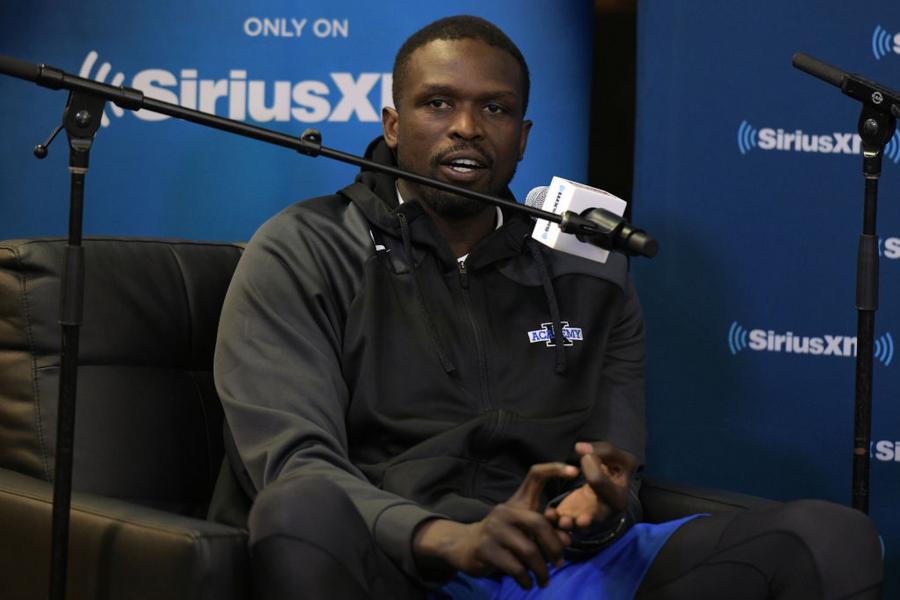
Lance King/Getty Photos
Actual Property because the Actual Lengthy-Time period Play
Whereas many gamers within the prime of their careers are targeted on squeezing out yet one more large contract or finally pivoting into media, Deng took one other path. Starting together with his rookie season in 2004, he began investing in actual property.
From the start, his investments mirrored endurance and self-discipline. Deng initially put cash into tasks in East Africa and London earlier than increasing into the US. Over time, his holdings grew to incorporate properties within the Hamptons, giant condominium complexes in Baltimore, the Virgin Inns Las Vegas, and a luxurious resort within the Bahamas. Reasonably than chasing speculative flips, Deng prioritized long-term money circulate and institutional-grade belongings.
A significant acceleration level got here after the 2017 tax overhaul launched Alternative Zones, which incentivized funding in designated low-income areas by permitting capital features to compound tax-free if held lengthy sufficient. Deng turned an early and aggressive participant, partnering with different present and former NBA gamers by large-scale funds whereas additionally concentrating on tasks tied to cities the place he had private connections.
Chicago, the place he spent practically a decade with the Bulls, turned a focus. Deng had lengthy needed to reinvest within the metropolis, and Alternative Zone tasks gave him a car to mix returns with redevelopment.
Behind the scenes, Deng surrounded himself with heavyweight mentors and companions. He shaped his actual property firm, D3N9, in 2014 and leaned on steerage from figures similar to JPMorgan Chase CEO Jamie Dimon, actual property developer Don Peebles, and former Wall Road banker David Gross, who turned a key funding companion.
That infrastructure separated Deng from the stereotype of the athlete dabbling in enterprise. This was not a conceit operation. It was a professionalized funding platform constructed for scale and longevity.
Immediately, he controls a sprawling portfolio of inns, resorts, casinos, luxurious condominiums, and multifamily condominium buildings unfold throughout a number of international locations. The estimated worth of his business actual property belongings? $200 million.
That places Deng in a uncommon lineage of athlete-investors who made their largest cash outdoors their sport. His path mirrors figures just like the late Junior Bridgeman within the NBA or Roger Staubach within the NFL, gamers who handled athletic revenue as seed capital quite than a end line.
Planning for Life After Basketball
Deng’s motivation was formed as a lot by worry as by ambition. A extensively cited examine as soon as estimated that roughly 60% of NBA gamers bumped into critical monetary bother inside 5 years of retirement. Deng took that statistic personally. Even whereas nonetheless enjoying, he organized actual property funding symposiums for fellow gamers, geared toward educating the basics of business property and serving to athletes keep away from predatory offers.
By the point Deng’s NBA profession wound down, crucial work of his skilled life was already effectively underway. There was no scramble for relevance, no determined pivot into broadcasting or endorsement offers. The infrastructure was constructed. The belongings had been in place. The revenue streams had been already compounding.
What separates Deng from most athletes is not only that he invested early, however that he invested intentionally. He handled basketball as a finite alternative and actual property as a everlasting one. His $168 million in NBA earnings funded a platform that now stands by itself. Few gamers, stars or in any other case, exit the league with one thing bigger than the profession that made them well-known.
